The Approach
The Short Shelf
Why a shop with twenty-one things is easier to trust than a shop with twenty-one thousand, and what actually gets checked before anything earns a place.

Search for a wireless mouse and you get forty of them in a grid, all rated somewhere between 4.3 and 4.7, all photographed on the same white background under the same lighting rig. Any one of them might be fine. Working out which one takes an evening you never get back.
We built Daytakt the other way round. There are twenty-one things on the shelf right now. Not twenty-one thousand listings — twenty-one objects, each with a page that says why it is here and what it does badly as well as what it does well.
Twenty-one objects, not twenty-one thousand
A short shelf is a constraint we chose, and it costs us. Every product we decide not to list is revenue we decide not to take. What we get back is the ability to know each thing properly: to read what people who already own it said, to write about the mechanism instead of the marketing, to answer an email about it without having to look anything up.
It also changes what a product page is for. When a shop carries thousands of items, the page exists to close the sale. When it carries twenty-one, the page exists to help you work out whether this is the one you want, including working out that it is not.
There is a second constraint underneath the first, and it is the one you notice while browsing: one object per job. One folding mouse. One tire inflator. One carbon dioxide monitor. Twenty-one objects across four parts of a day — at the desk, away from it, at home, on the body — and almost never two that do the same thing. A shelf like that can be read in an evening. It also means we cannot hide a weak product behind a better one.
We read the reviews before you do
Before anything goes on the shelf we go and find people who already bought it. Not the testimonials on a supplier's site. The ordinary reviews, in whatever language they were written in, including the annoyed ones.
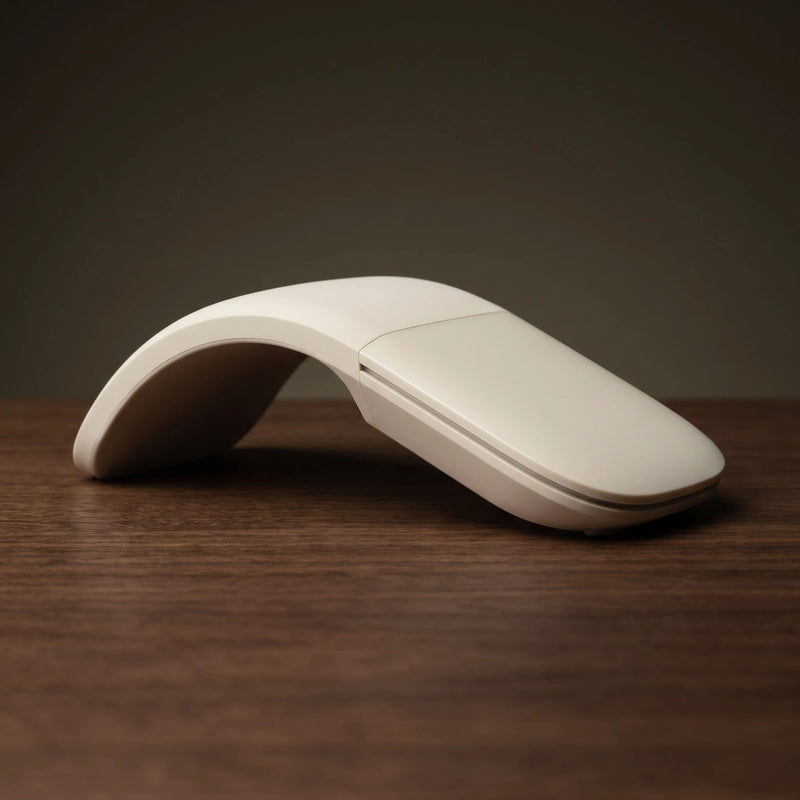
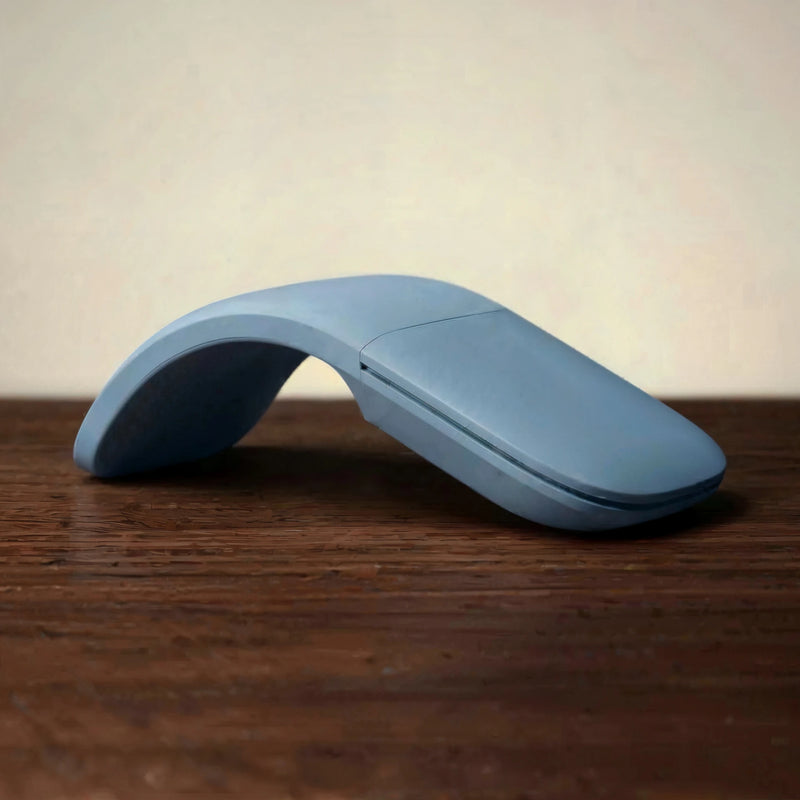
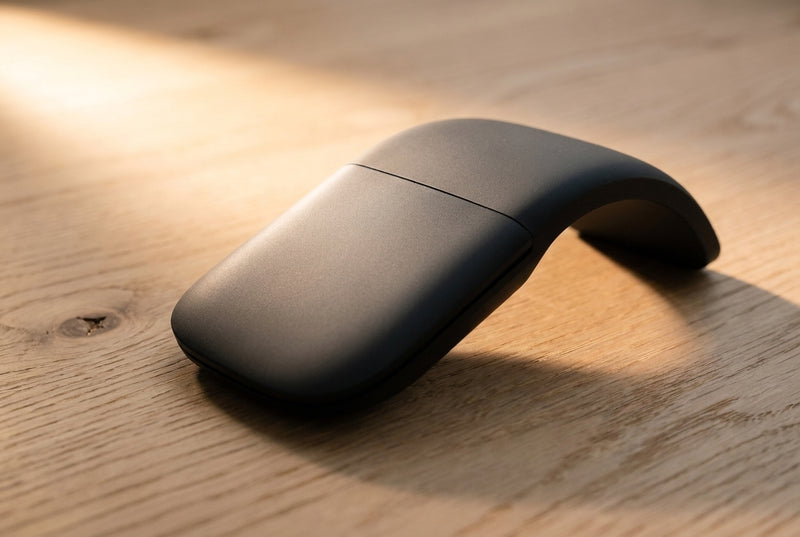
That has changed our own copy more than once. Our folding mouse was going to lead with a line about scrolling by touch, because a touch strip instead of a wheel is genuinely the clever part of the design. Then we read the buyer reviews. Of the substantive ones, roughly one in eight said the strip was fiddly: fine for reading a long page, frustrating in a spreadsheet. So the headline claim came out and an accurate sentence went in. The page now says it is a simple vertical scroll rather than a full trackpad, because that is what it is.
We did not remove the feature, and we did not bury the complaint. We stopped selling it as the reason to buy.
The fastest way to lose someone is to be right about a product in a way they only discover after it arrives.
What we will not write
There is a short list of words that never appear in our product copy. Instant. Silent, unless a manufacturer's own measurement supports it. Smart, when the thing contains no software at all. Barista quality. Any certification nobody has shown us documentation for.
Numbers get the same treatment. If a supplier's spec sheet claims a charging speed and several buyers report never getting near it, that number does not go in a headline. It can sit in the spec table, attributed, where a claim belongs.
Ratings work that way too. The star rating on a product page matches exactly the reviews printed underneath it. Where those reviews came from buyers on other retail channels rather than from our own customers, a line under the block says so plainly.
One visual language
Supplier photography is a genre of its own. Hard shadows, blue white light, a phone in the frame with the logo scrubbed off. Put twenty-one of those on one page and a shop looks like a search result.
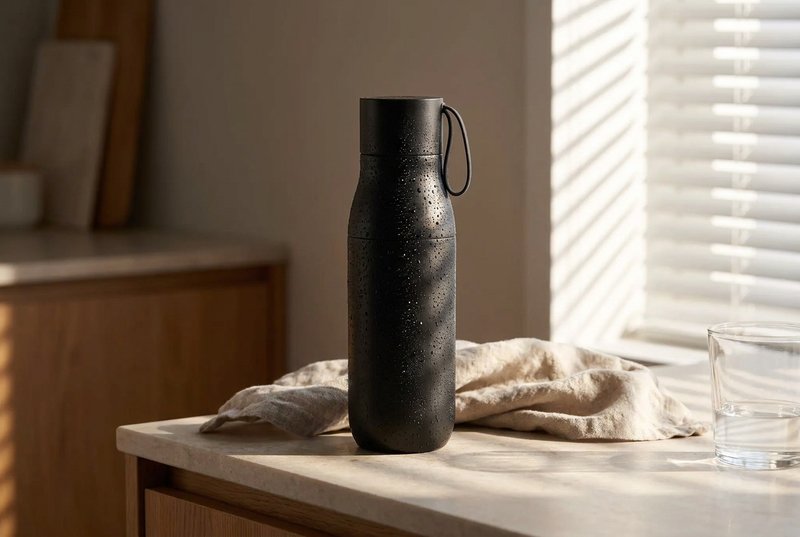
So every product here is re-imaged into a single visual language before it is listed. Morning light, real surfaces, oak and stone and linen, the object at the size it actually is. The point is not to flatter it. The point is to let you compare things without the photography doing the arguing.
The part we cannot shortcut
The last check is the slow one: getting the thing in hand. Reviews tell you what goes wrong after a month. They do not tell you how the hinge feels on the tenth fold, or whether a finish shows every fingerprint under a desk lamp.
When a sample changes our mind, the product simply never appears. You never see the shelf we rejected, which is the awkward part of writing this down: you have to take our word for it. The only evidence we can offer is the shelf itself, and the fact that it stays short.
Daytakt is a small shop, not a testing lab. We do not run standardised measurements or lab comparisons against competitors. What we do is read widely, order samples, and write down what we find, including the parts that argue against a sale.
The number is not the target
The shelf will grow. Things are being read about and ordered right now. But it grows one object at a time, and only when we can write an honest page about the thing. If that means a quiet month, it means a quiet month.
Most shops are built to be searched. This one is built to be read.